

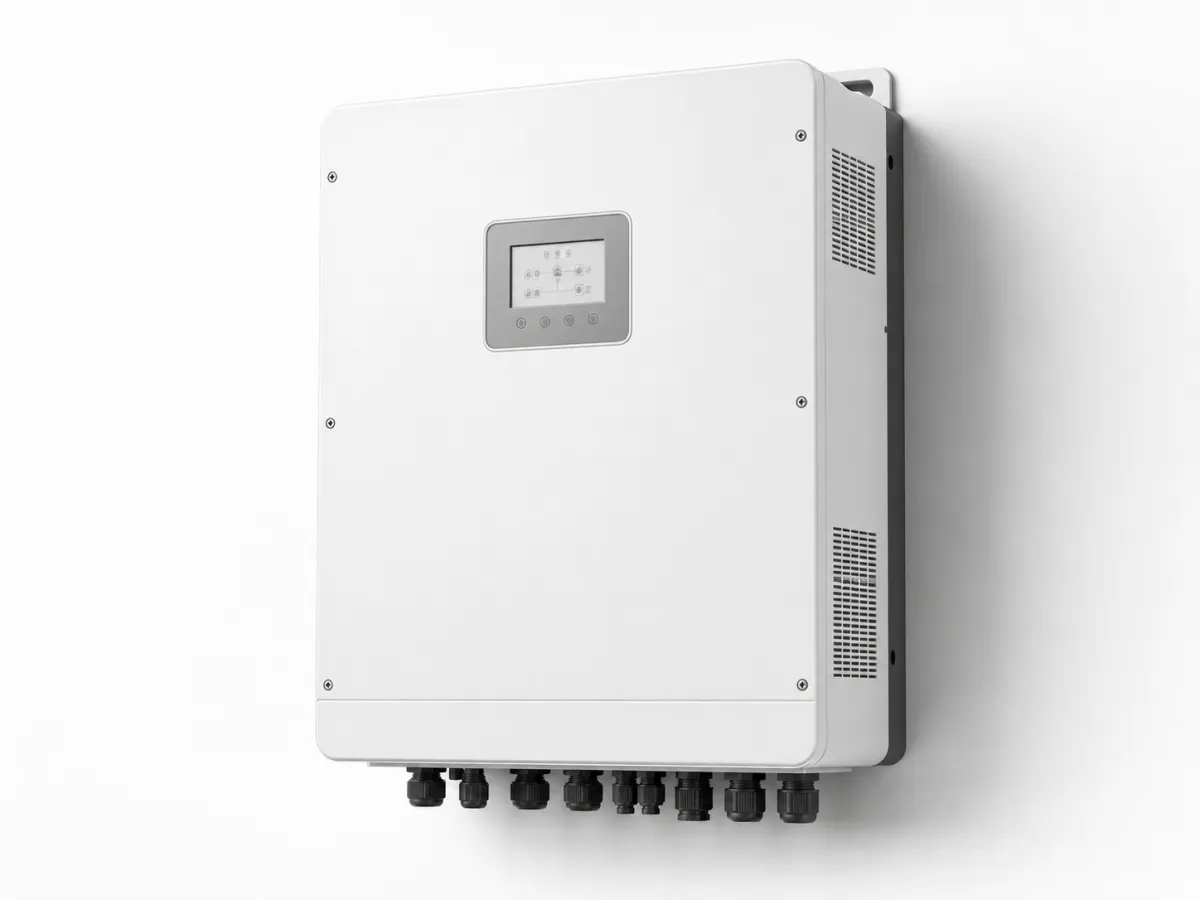
Hybrid Inverter for 48V LFP Solar Battery Storage
The 8–12 kW US split-phase 48V hybrid inverter platform we pair with our LiFePO4 battery storage. UL 1741 SA listed, native CAN/RS485 communication with the Savolture 48V battery line, anti-islanding for grid-tied resilience, and full off-grid capability when the grid drops. Battery is the core of every quote — the inverter is matched to it.
How a 48V Hybrid Inverter Pairs With Battery Storage
Common pairing layouts for US residential and light-commercial projects — from a single-cabinet wall install to multi-unit parallel banks. Illustrative configurations.
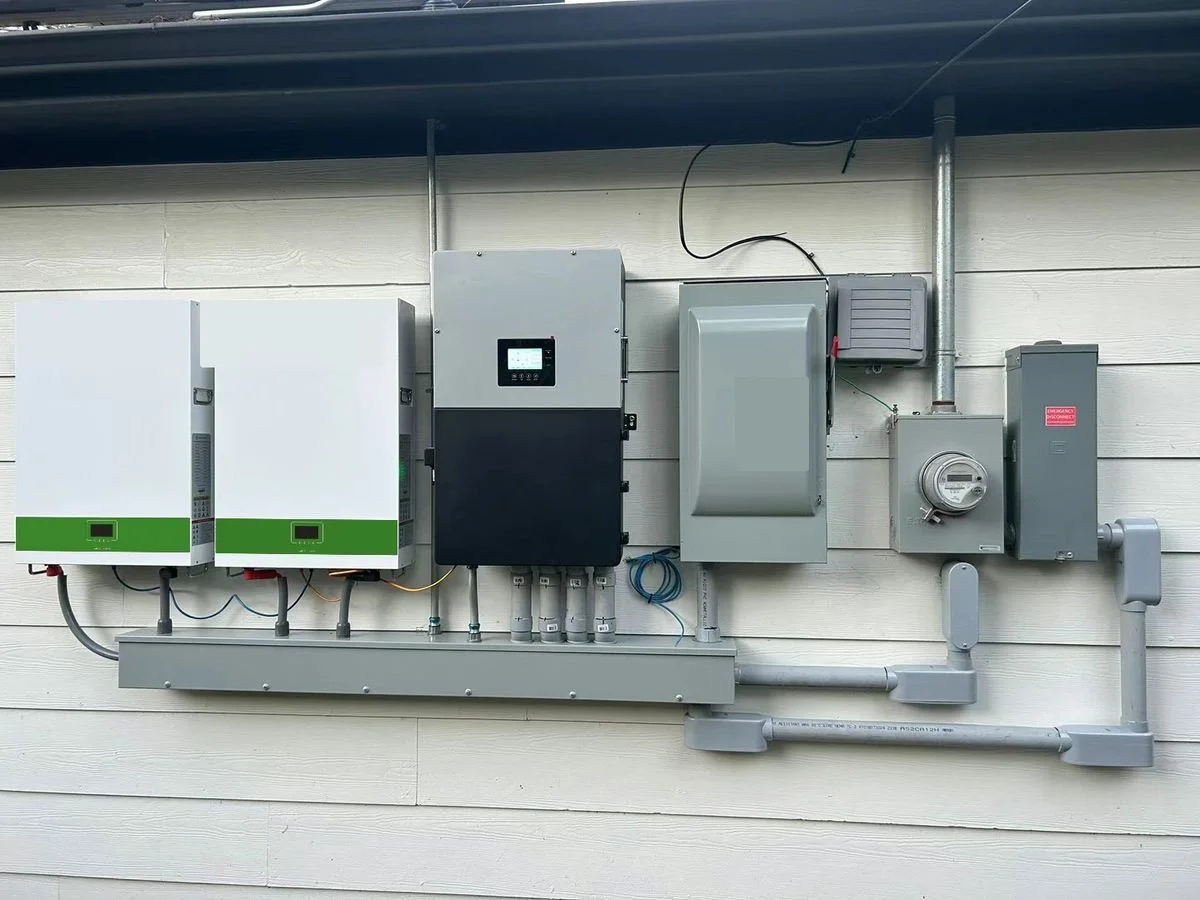
Exterior Mount + 2-Cabinet Battery
Single hybrid inverter paired with two compact wall-mount LFP cabinets, conduit-routed for a clean IP65-rated exterior layout on a residential side yard.
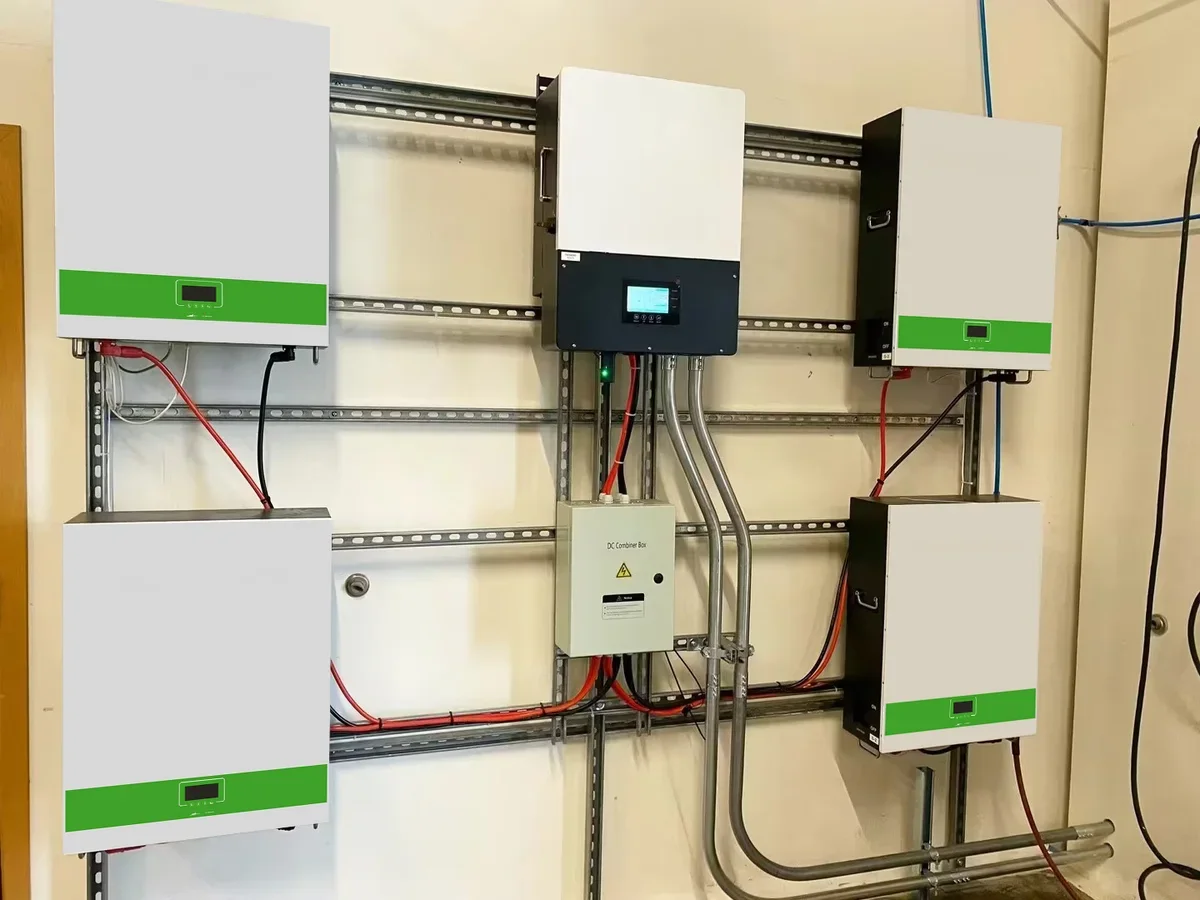
Clean Interior Pairing
Wall-mount hybrid inverter next to a single LFP cabinet and circuit breaker panel — the standard clean layout for whole-home backup projects.
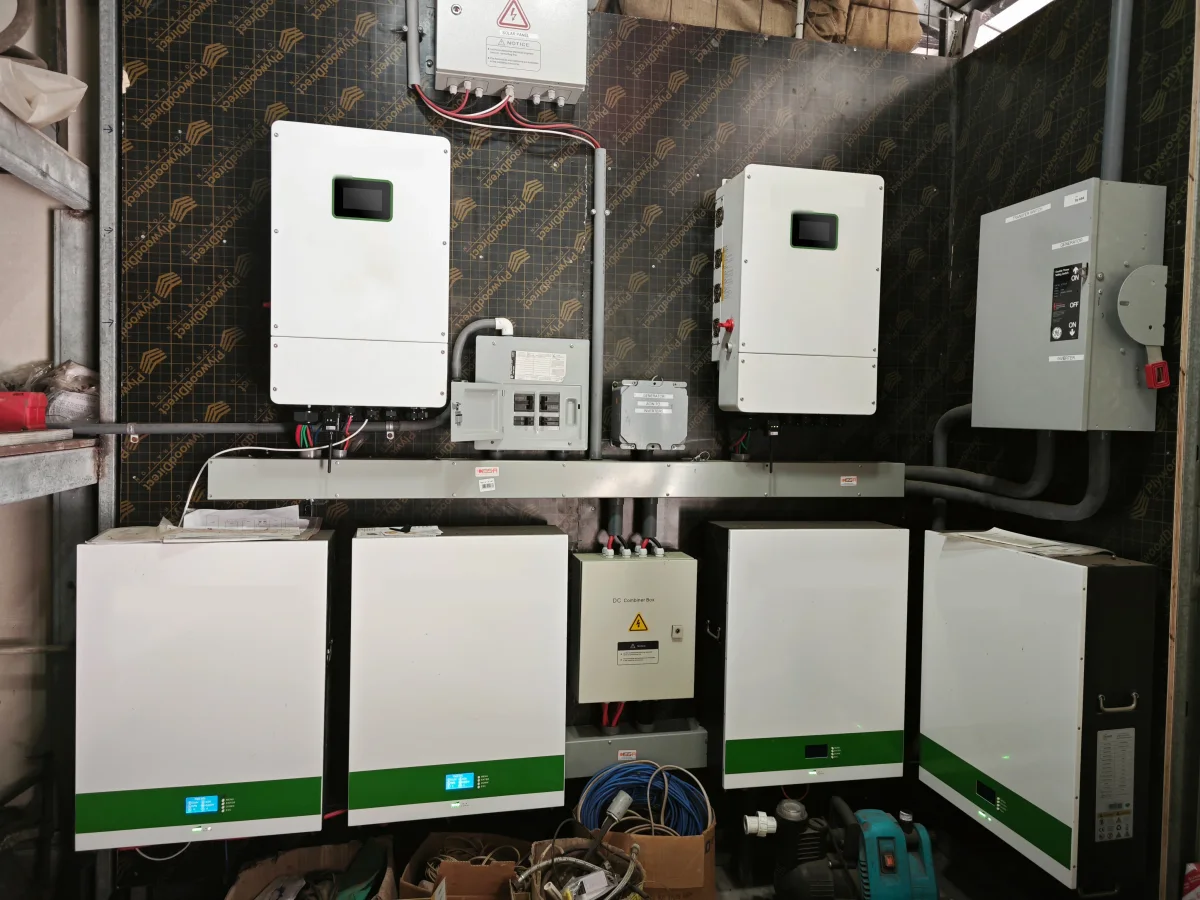
Light Commercial Parallel Bank
Hybrid inverters paralleled on a mounting rack with a stacked LFP battery bank below — the layout for large homes with EV charging or light-commercial high-load demands.
Three Operating Modes
Grid-tied with anti-islanding, off-grid autonomous, hybrid backup with seamless transfer — all in one unit.
8 kW to 12 kW Output
Right-sized for whole-home residential backup; parallel multiple units for light-commercial loads.
LFP Battery Native
Pre-loaded battery profiles for the full Savolture 48V LFP lineup — 100Ah through 314Ah.
Why a Matched Inverter + Battery Pairing Wins
The cleanest 2026 residential solar storage installs come from an inverter and battery that are pre-matched, profile-verified, and quoted together from one channel. We supply both, pre-tested to talk to each other — so you skip the firmware-hunting and protocol guesswork.
Pre-Loaded LFP Profiles
No firmware hunting
- Battery profiles for 100Ah / 200Ah / 314Ah ship out-of-the-box
- CAN 2.0B 500 kbps + RS485 Modbus RTU communication verified
- BMS state-of-charge, voltage, and temperature data sync seamlessly
Split-Phase 120/240V
Built for North America
- UL 1741 SA grid interconnection compliance
- IEEE 1547 anti-islanding for utility worker safety
- NEC 706 / NEC 690 documentation support included
Installer Documentation
AHJ-ready paperwork
- Complete spec packs, wiring diagrams, commissioning checklists
- 24-hour quote response for US installers and EPCs
- Manufacturing-partner-backed warranty handled through our channel support
Hybrid Inverter Technical Specifications
| Continuous Output Power | 8 kW / 10 kW / 12 kW (GSL-8K-US / 10K-US / 12K-US; parallel for higher loads) |
|---|---|
| Peak Surge | Short-duration surge above continuous rating (see model spec pack) |
| Output Voltage | 120/240V AC split-phase (US) | 230V single-phase available |
| Output Frequency | 60 Hz nominal (50 Hz configurable) |
| Battery Input Voltage | 40V to 60V DC (51.2V LFP nominal) |
| Solar Input (MPPT) | Dual MPPT, 125V–425V DC operating range (500V DC max open-circuit), model dependent |
| Max Solar Array Input | Model-dependent (per-MPPT PV power scales with output tier) — see the model spec pack |
| Battery Communication | CAN 2.0B 500 kbps + RS485 Modbus RTU |
| Grid Interconnection | UL 1741 SA, IEEE 1547 |
| Anti-Islanding | Built-in (utility worker safety compliant) |
| Transfer (Grid to Battery) | Seamless automatic transfer on grid loss (rated time per model spec pack) |
| Operating Temperature | -20°C to 50°C |
| IP Rating | IP65 outdoor |
| Cooling | Variable-speed forced-air cooling |
| Efficiency | High-efficiency MPPT tracking; rated conversion efficiency per model spec pack |
| Listings | UL 1741 / UL 1741 SA, CSA, IEEE 1547, IP65 (held by the manufacturing partner) |
| Code Support | NEC 706 / 690 documentation provided for permit submission |
| Warranty | Manufacturing-partner-backed, handled through Savolture channel support |
Hybrid Inverter Models by System Size
Choose by continuous output power based on home load profile, solar array size, and battery bank capacity.
8 kW
Essential home backup
- 5-10 kW PV array
- 5-15 kWh battery storage
- 2-3 bedroom home essentials
- Best with 1-2x 100Ah or 1x 200Ah battery
10 kW
Whole-home backup
- 10-13 kW PV array
- 10-25 kWh battery storage
- 3-4 bedroom suburban home
- Best with 1-2x 200Ah or 1x 314Ah battery
12 kW
Large home / EV charging
- 12-16 kW PV array
- 16-50 kWh battery storage
- Large homes with EV charging during outage
- Best with 1-3x 314Ah battery
Parallel 12K Units
Light commercial / multi-unit
- Multiple GSL-12K-US units in parallel
- 50-200 kWh battery storage
- Small commercial, multi-unit residential, microgrid
- Quoted per project — talk to us about parallel configs
Compatible Savolture 48V LFP Batteries
Native CAN/RS485 communication and pre-loaded battery profiles for the full Savolture 48V LFP lineup. Just plug in, set the battery profile, commission.
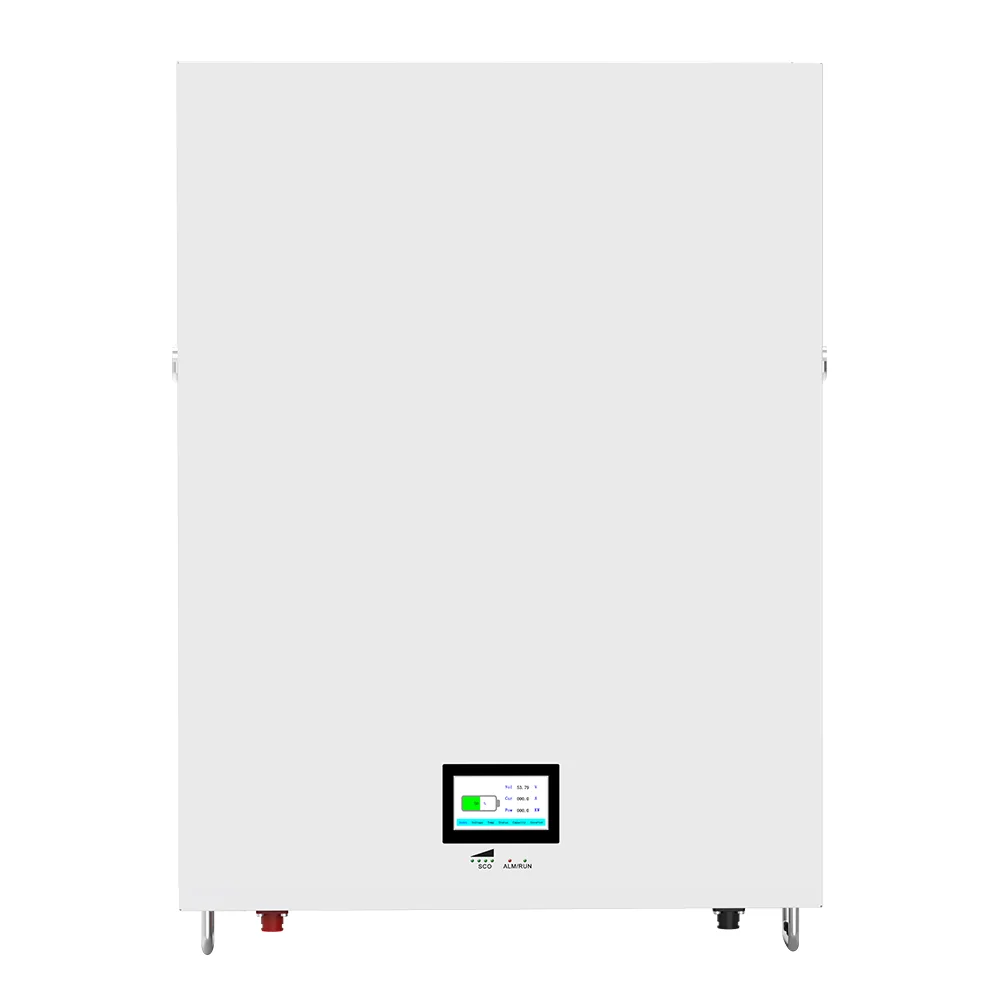
100Ah LFP Battery
5.12 kWh wall-mount. Best for 6-8 kW hybrid inverters in essential-load backup, RV, off-grid cabin, and modular starter systems.
View 100Ah specs →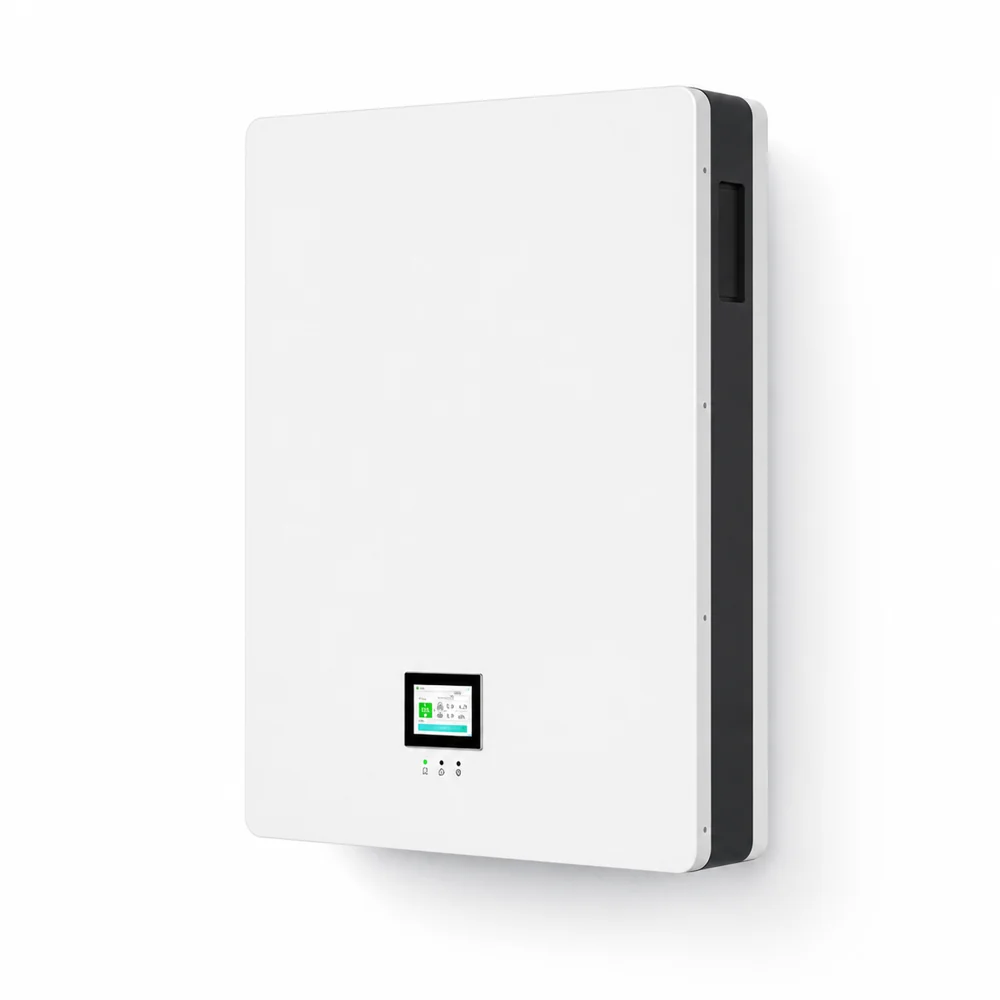
200Ah LFP Battery
10.24 kWh wall-mount. Best for 10-12 kW hybrid inverters in whole-home essential backup and standard suburban solar storage.
View 200Ah specs →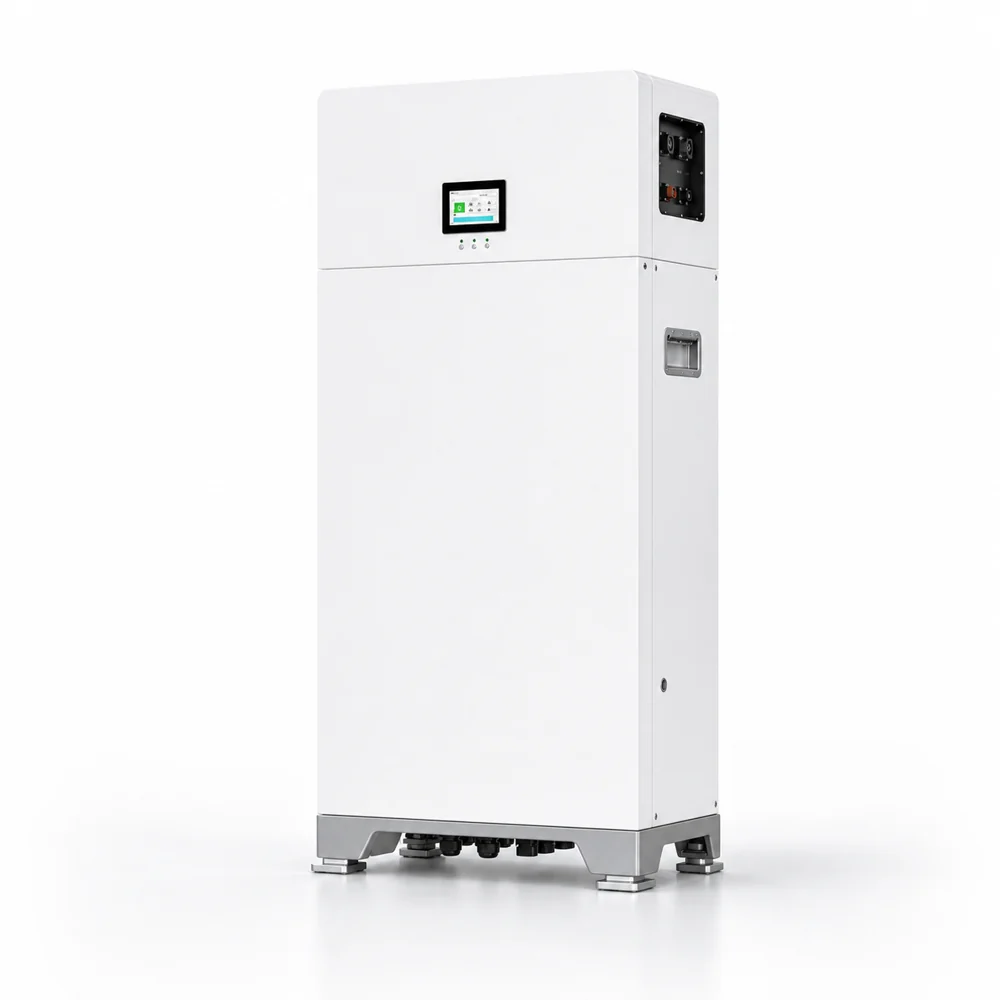
314Ah LFP Battery
16.08 kWh single cabinet. Best for 12 kW hybrid inverters (or parallel banks) in large homes, EV charging during outages, and light commercial.
View 314Ah specs →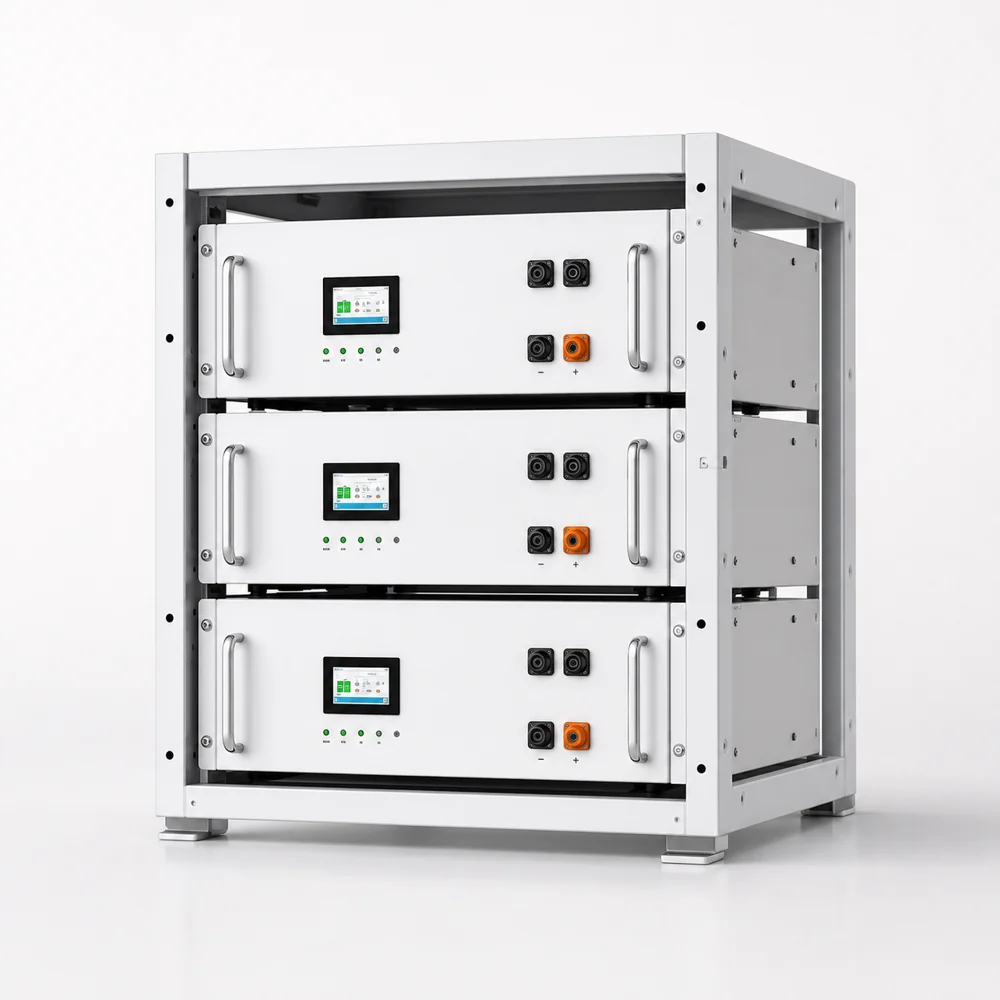
Rack Modular 10–15 kWh
Modular 19-inch rack stack. Best for parallel inverter banks in light commercial, microgrids, and EV-charging sites that need expandable capacity later.
View Rack specs →Need help matching inverter size to battery capacity? Read our 100Ah vs 200Ah battery selection guide or the voltage decision guide for a structured sizing framework.
Three Modes, One Inverter
Unlike pure grid-tied or pure off-grid inverters, a hybrid inverter runs in any of three modes depending on your project context.
Grid-Tied Mode
For self-consumption + net-metering when grid is reliable and backup isn’t priority. Solar runs directly to home; excess sells to grid (where allowed).
- Anti-islanding compliant (UL 1741 SA)
- Time-of-use rate optimization
- Net-metering export when grid up
- Battery optional at install time
Hybrid Backup Mode
The default 2026 mode for US residential. Grid-tied operation by default; seamless automatic transition to battery backup when the grid drops.
- Solar + battery powers critical loads during outage
- Automatic re-sync when grid power returns
- Battery charges from solar or off-peak grid
- Keeps sensitive electronics running through the switchover
Off-Grid Mode
For sites with no grid connection at all. Inverter runs entirely from solar + battery storage as a standalone system.
- No utility interconnection required
- Configurable generator input for backup charging
- Full BMS-aware battery management
- Common for remote cabins, rural homesteads
For the broader inverter category comparison, read our hybrid vs off-grid vs grid-tied buyer’s guide.
Battery Compatibility Beyond Our Supplied Inverter
Our 48V LiFePO4 battery platform is built on standardized 51.2V LFP voltage profiles with CAN 2.0B and RS485 Modbus communication — the same protocols used by the major US-market hybrid inverter brands. If your project already specifies a different inverter, our batteries are designed to integrate with the mainstream 48V hybrid inverter ecosystem.
Battery profiles and protocol mapping are confirmed per inverter model before commissioning. Tell us which inverter your project uses and we’ll confirm compatibility and share the protocol mapping — request the inverter compatibility matrix.
Frequently Asked Questions
What’s the difference between hybrid and grid-tied inverters?
A grid-tied inverter shuts off whenever the grid goes down (anti-islanding for utility worker safety). A hybrid inverter disconnects from the grid but continues operating as a battery-backed off-grid inverter, keeping critical home circuits powered. For US residential projects in 2026, hybrid is the dominant choice.
What inverter size do I need for my home?
Match continuous output to the largest simultaneous load you want to run. Typical residential matchups: 8 kW (GSL-8K-US) for essential-loads backup, 10 kW for whole-home essentials, 12 kW for a large home including EV charging during an outage. For light-commercial or multi-unit loads, multiple 12 kW units are paralleled — quoted per project.
Where does the inverter come from — does Savolture make it?
No. Savolture is a channel brand: we supply and pair the GSL-8K/10K/12K-US 48V hybrid inverter platform alongside our LiFePO4 batteries, pre-matched and profile-verified. The inverter’s UL 1741 SA listing is held by the manufacturing partner; we handle quoting, documentation, and manufacturing-partner-backed warranty support through our channel.
Can I pair these batteries with a different inverter?
Yes. Our 48V LFP batteries use standardized 51.2V profiles with CAN/RS485 communication, so they integrate with the mainstream US 48V hybrid inverter ecosystem. Tell us the inverter model your project specifies and we’ll confirm protocol compatibility before commissioning.
Does the inverter work without a battery?
The hybrid inverter is “battery-ready” — it can operate in grid-tied mode without a battery installed and add battery support later by connecting the LFP pack and selecting the battery profile in firmware. For backup capability, a battery is required.
What about transfer time during outages?
The hybrid inverter transitions automatically from grid-tied to battery-backed mode when the grid drops — fast enough for refrigerators, computers, and most home loads to ride through without interruption. For the rated transfer time and any UPS-grade (e.g. medical) requirements, see the model spec pack.
Is UL 1741 SA the same as UL 1741?
UL 1741 is the base inverter standard. UL 1741 SA (“Supplement A”) adds requirements for grid-interactive functions like voltage and frequency ride-through, ramp-rate control, and reactive power support — required by most US utilities for grid interconnection of solar+battery systems.
How big a battery bank do I need to pair with this inverter?
Inverter capacity is half the equation — battery kWh is the other half. Run your daily load through our Savolture Battery Calculator to get an exact kWh recommendation, then we’ll pair it with the right 8/10/12 kW inverter tier.
Quote a Hybrid Inverter + Battery System
Send your project specs — load profile, solar array, region — and we’ll send back a hybrid inverter + LFP battery quote with freight, documentation, and installer support pricing within 24 hours.