

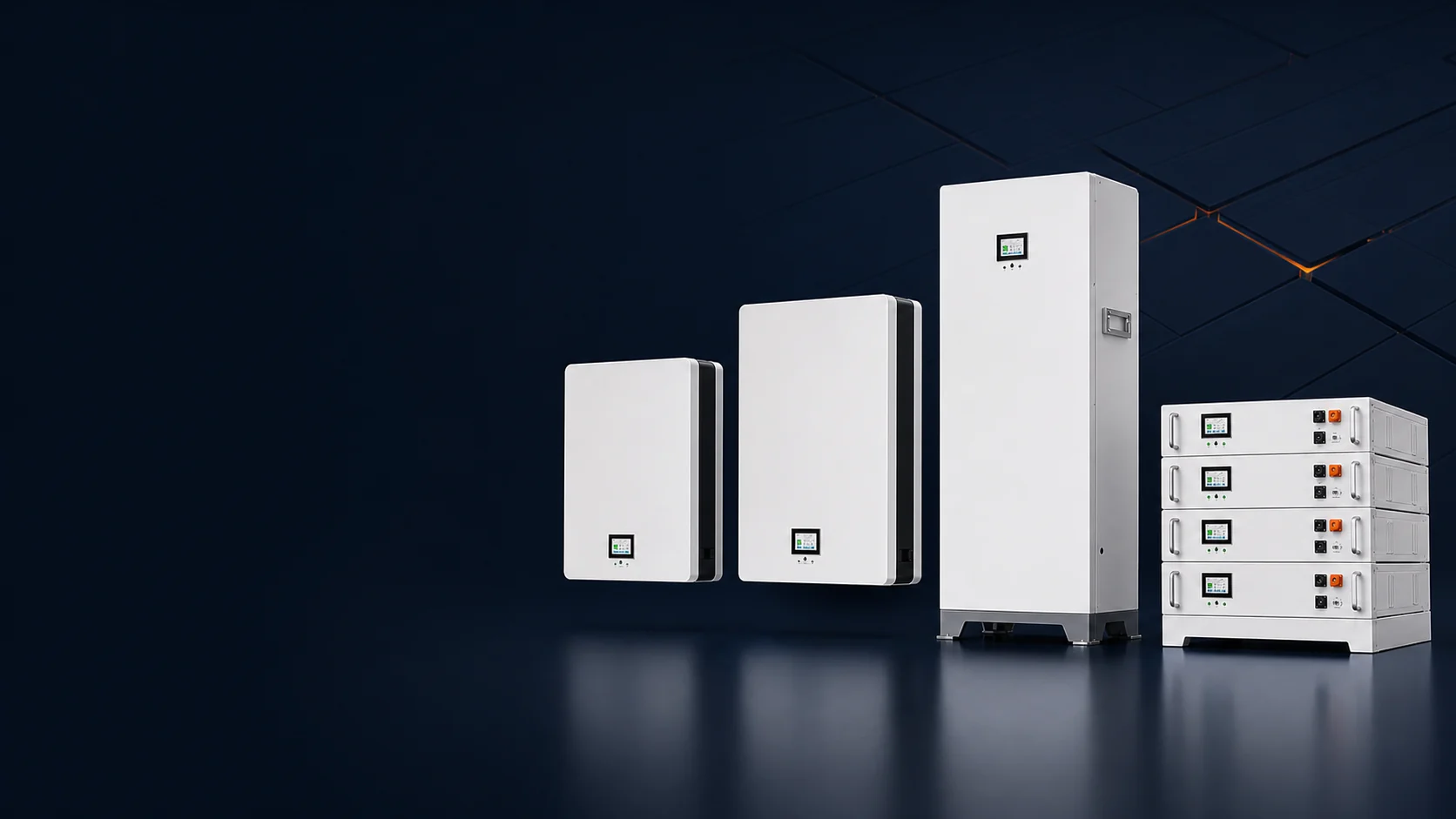
48V battery systems
for solar & backup
Multi-tier 51.2V residential storage with UL-certified capacities from 10.24 kWh to 16.08 kWh. Built for solar installers, EPCs, and distributors worldwide.
48V Battery Systems in the Field
Logo-clean installation views for 48V-class wall-mount systems: compact backup cabinets, inverter pairing, and serviceable wall layouts.
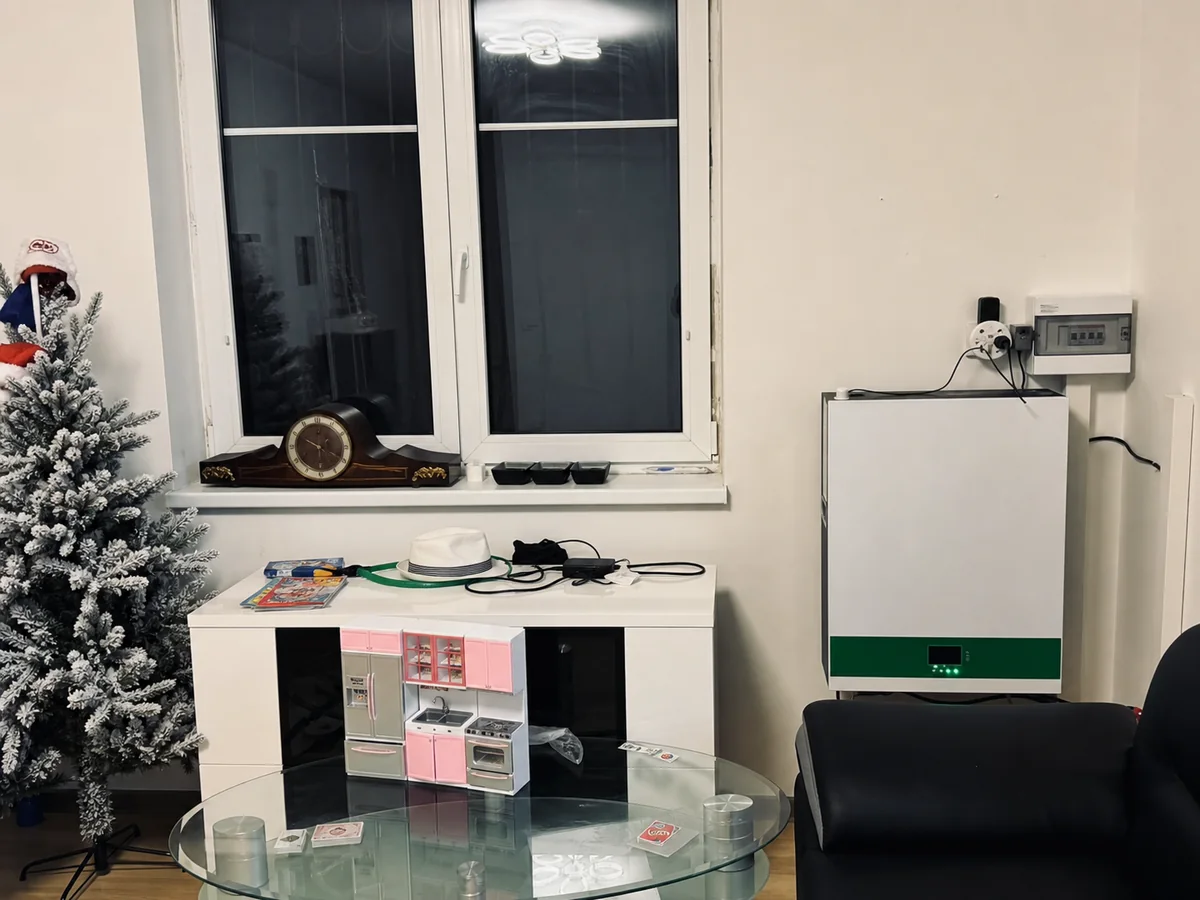
Single-Cabinet Backup View
Consider this layout for an entry 51.2V wall-mount cabinet where the battery, breaker panel, and short cable runs need to stay readable in a small equipment area.
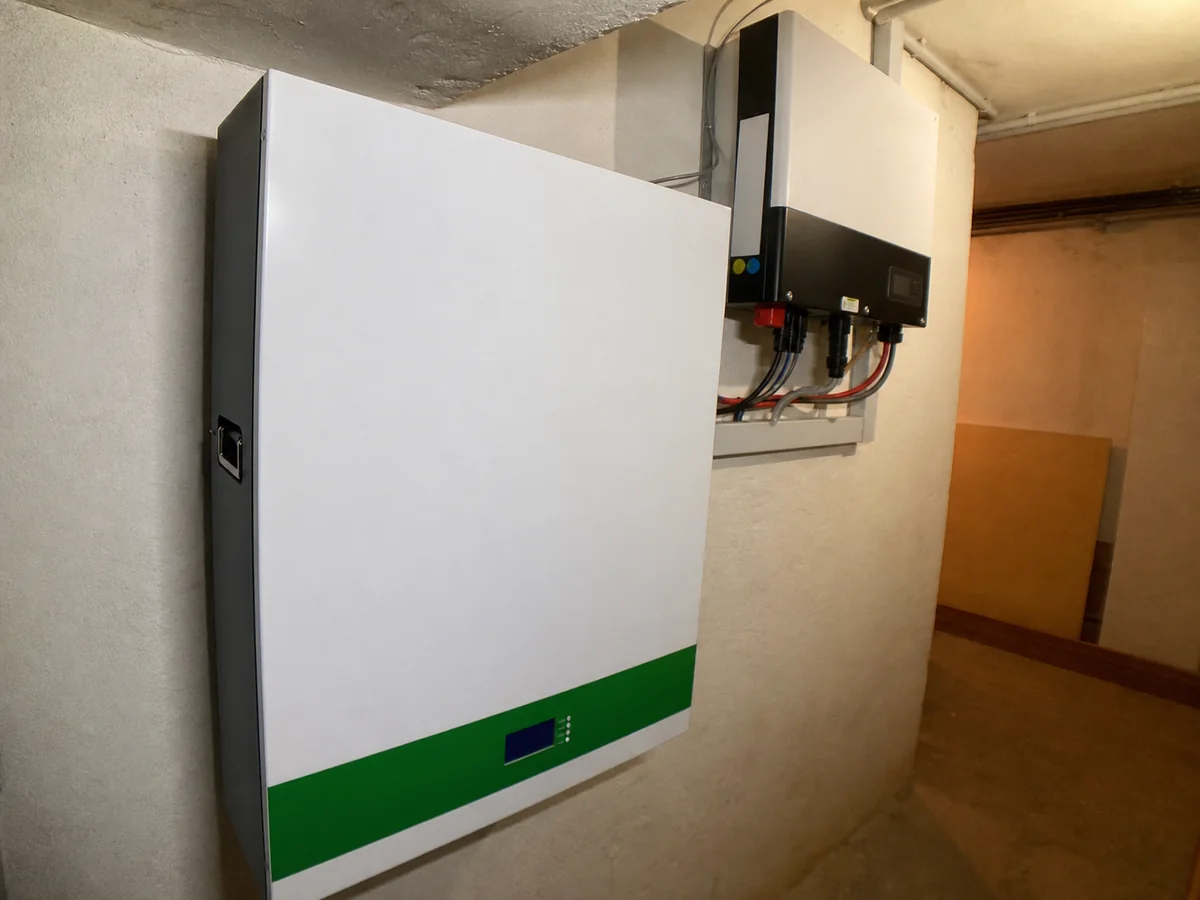
Battery + Hybrid Inverter Bay
Picture a close utility-bay view that shows how a 48V-class cabinet sits beside a hybrid inverter, conduit, and protection hardware before final labeling.
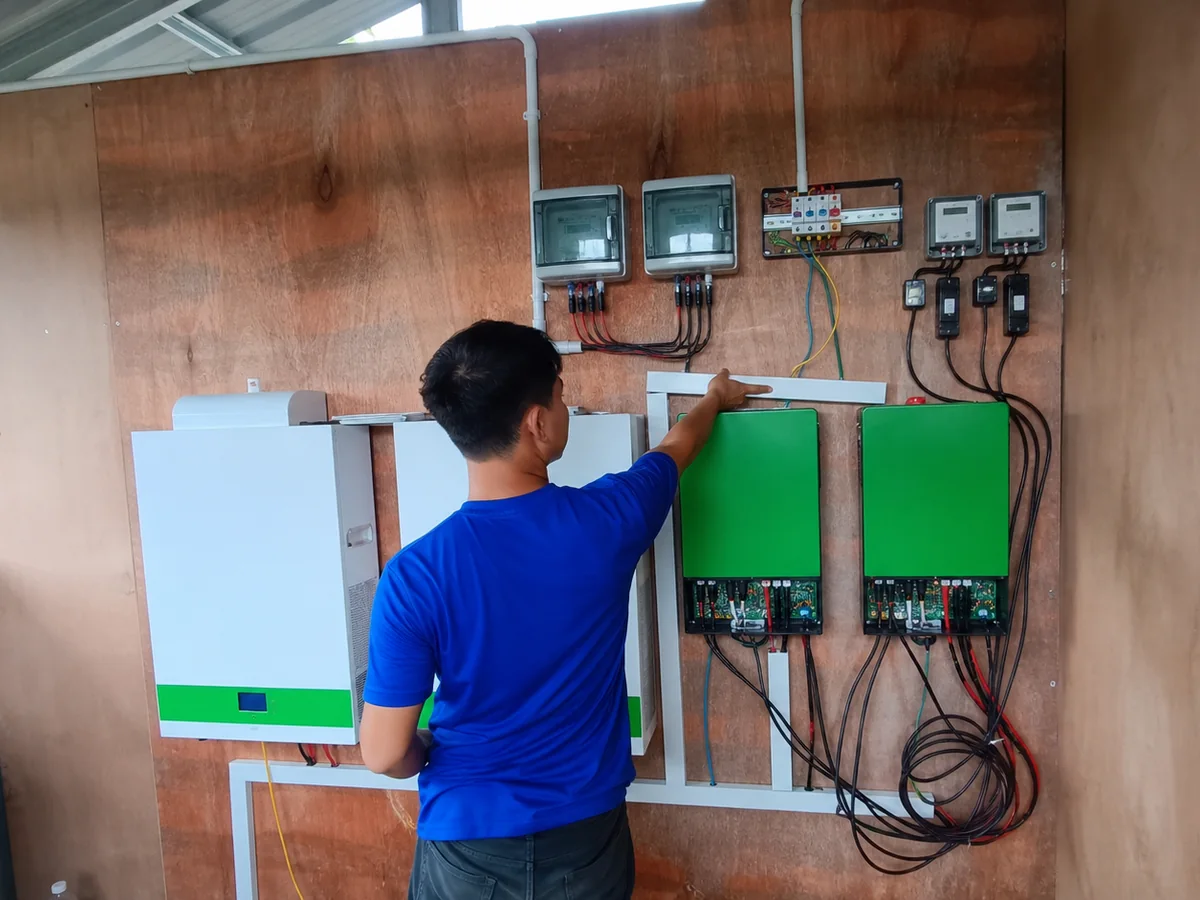
Multi-Device Wall System
Take this as a visual reference for installer conversations: battery cabinet, controller hardware, cable routing, and service access are visible in one wall-mounted system view.
Why 48V LiFePO4 for Modern Energy Storage?

Higher Power Throughput
48V LiFePO4 architecture reduces current versus 12V banks, supporting cleaner wiring and 8-10 kW inverter pairing.

Safer Chemistry
LiFePO4 chemistry offers a higher thermal threshold than many NMC batteries for home energy storage.

Longer Lifespan
Savolture systems support 6,500-8,500 cycles at 80% DoD for dependable daily cycling projects.
Choose Your 48V Battery Configuration
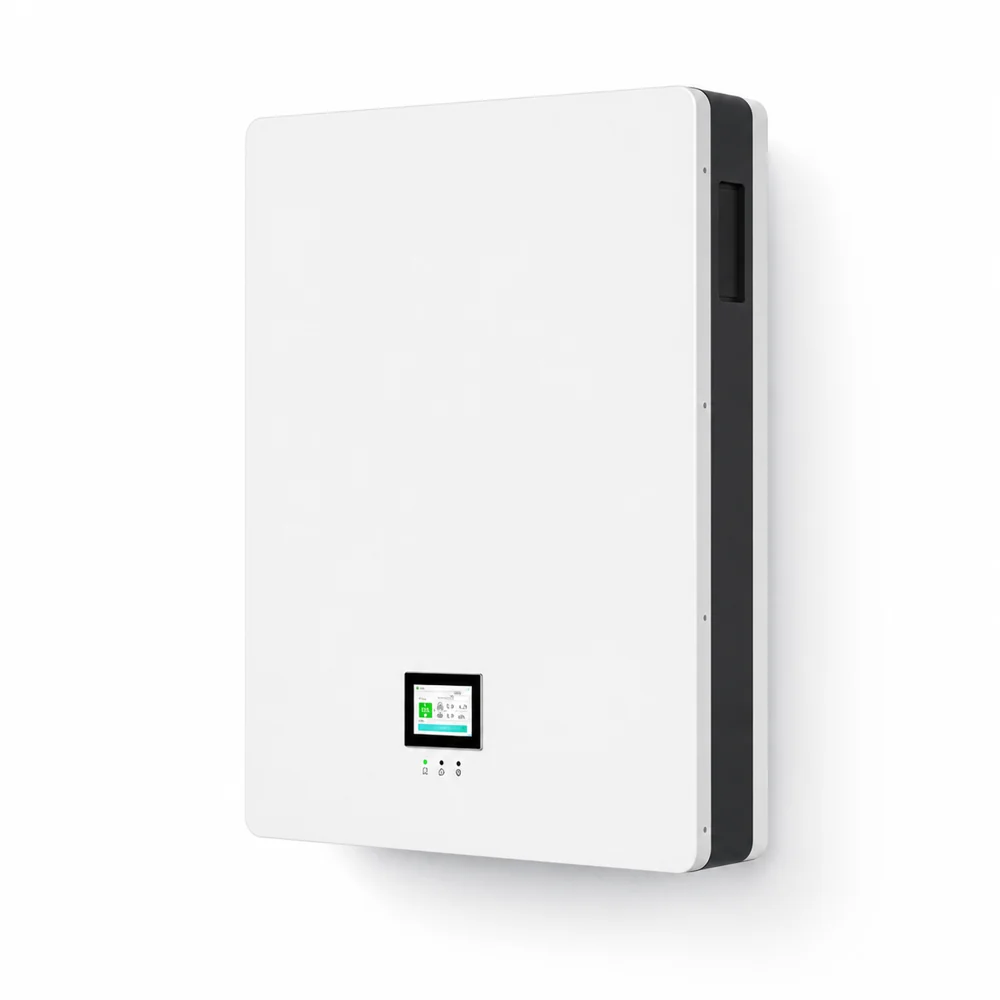
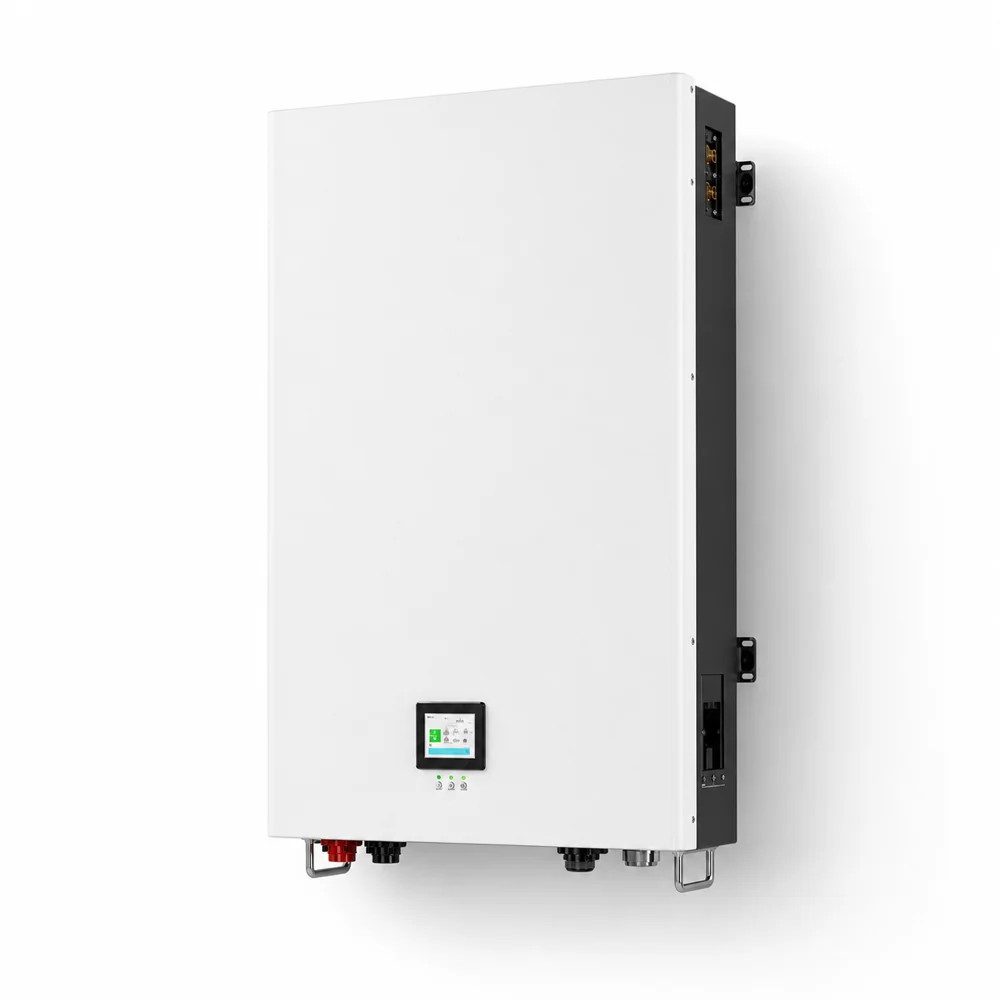
Match capacity to your project – from 10 kWh residential systems to 15 kWh+ whole-home backup.
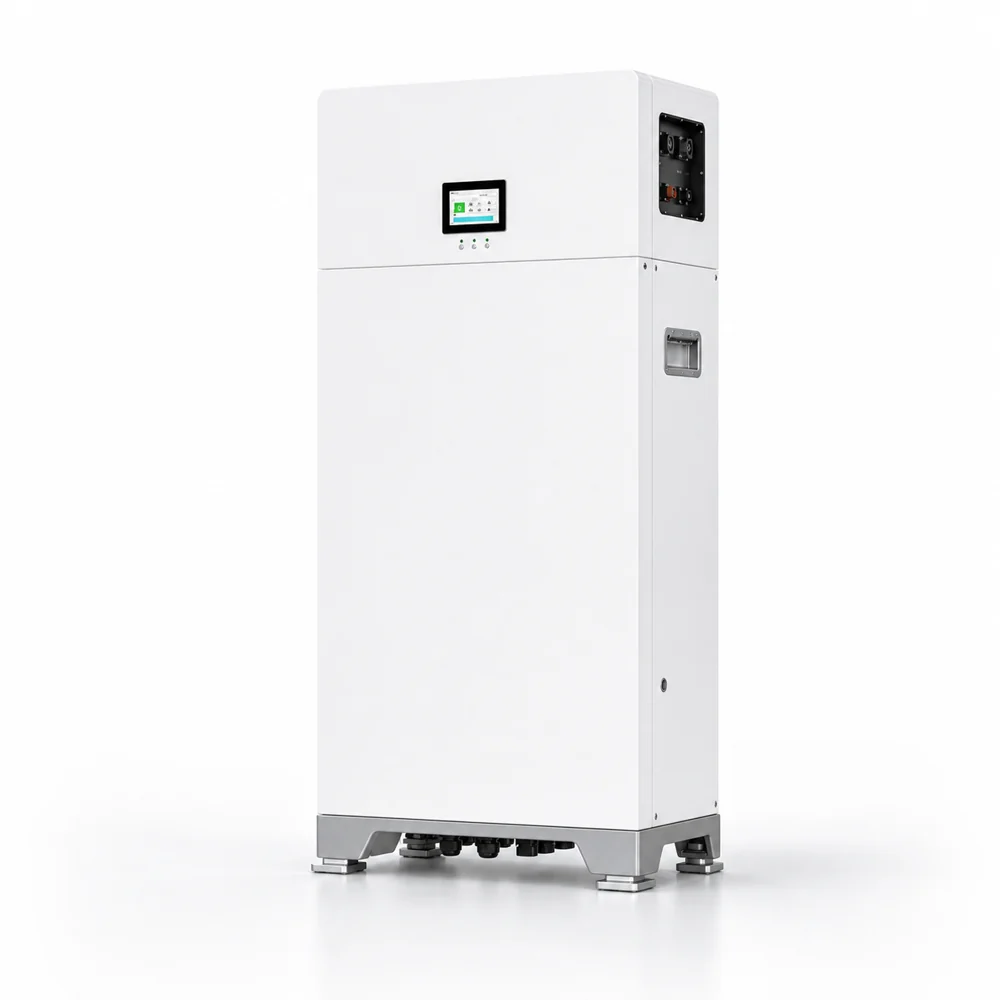
Floor-Standing
314Ah · 16.08kWh- UL9540 listed system path
- IP65 outdoor option
- 145.5 kg class
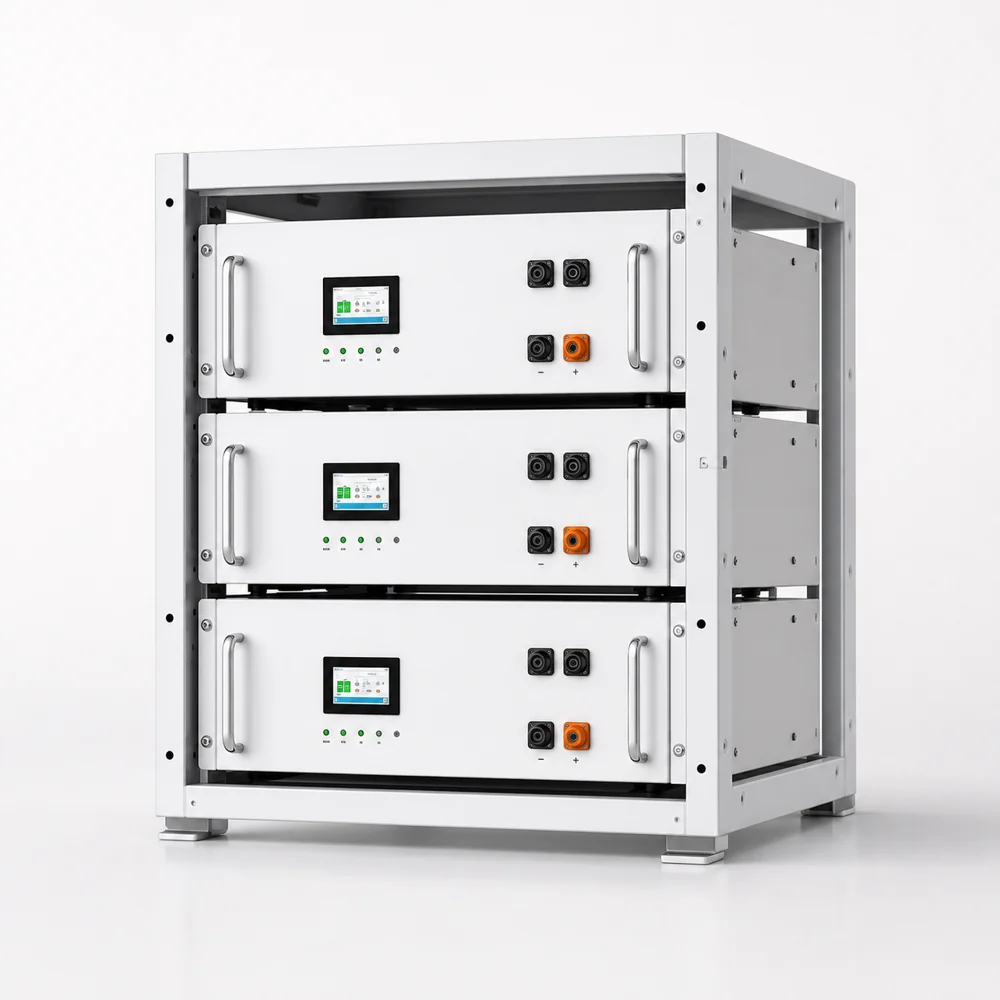
Rack Modular
10-15kWh System- 19 inch server rack compatible
- Modular battery banks
- CAN/RS485 communication
48V Battery Specifications at a Glance
| Parameter | 200Ah Wall | 280Ah Wall | 314Ah Floor | Rack Modular |
|---|---|---|---|---|
| Energy | 10.24 kWh | 14.34 kWh | 16.08 kWh | 10-15 kWh |
| Nominal Voltage | 51.2V | 51.2V | 51.2V | 48V / 51.2V |
| Max Charge Current | 150A | 150A | 150A | 100-150A |
| Cycle Life | 6,500 | 8,500 | 8,500 | 6,500+ |
| Certifications | IEC62619 | UL9540 | UL9540 | IEC62619 |
| IP Rating | IP20/IP65 | IP20/IP65 | IP65 | IP20 |
| Dimensions (W x H x D mm) | 780 x 550 x 160 | 900 x 675 x 200 | 700 x 1050 x 200 | Rack configured |
| Weight | 84.5 kg | 142.5 kg | 145.5 kg | Module dependent |
| Communication | CAN/RS485 | CAN/RS485 | CAN/RS485 | CAN/RS485 |
Works with Leading 48V Inverter Brands
Savolture 48V LFP batteries are built for open-inverter-compatible systems, with model and firmware confirmation before commissioning.
For the full brand-by-brand breakdown, see our inverter-battery compatibility guide.
Where 48V Batteries Power Your Projects
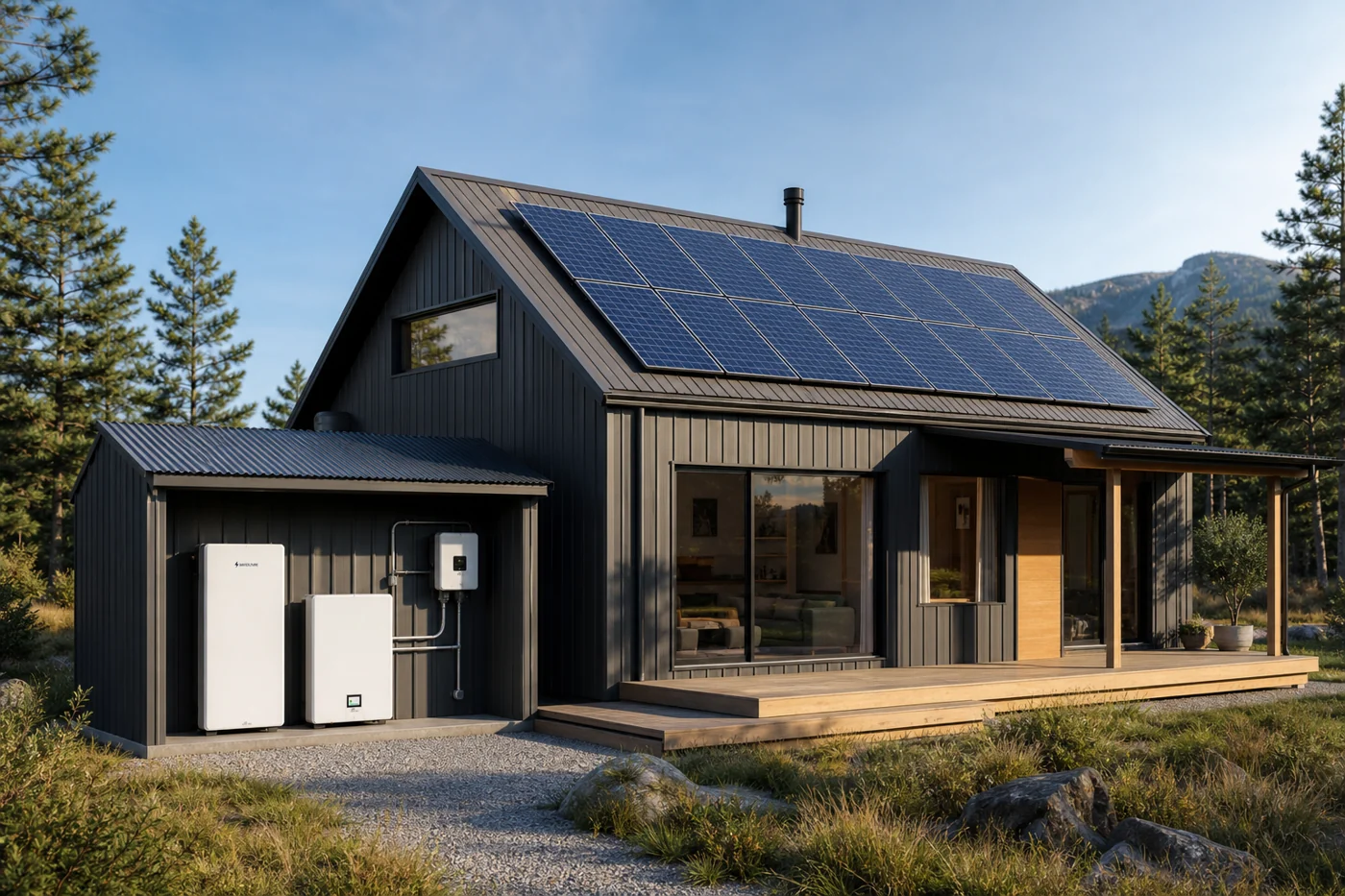
Off-Grid Solar
Remote cabins, farms, and independent homes needing 10-15kWh resilient battery storage.
Request Kit Pricing →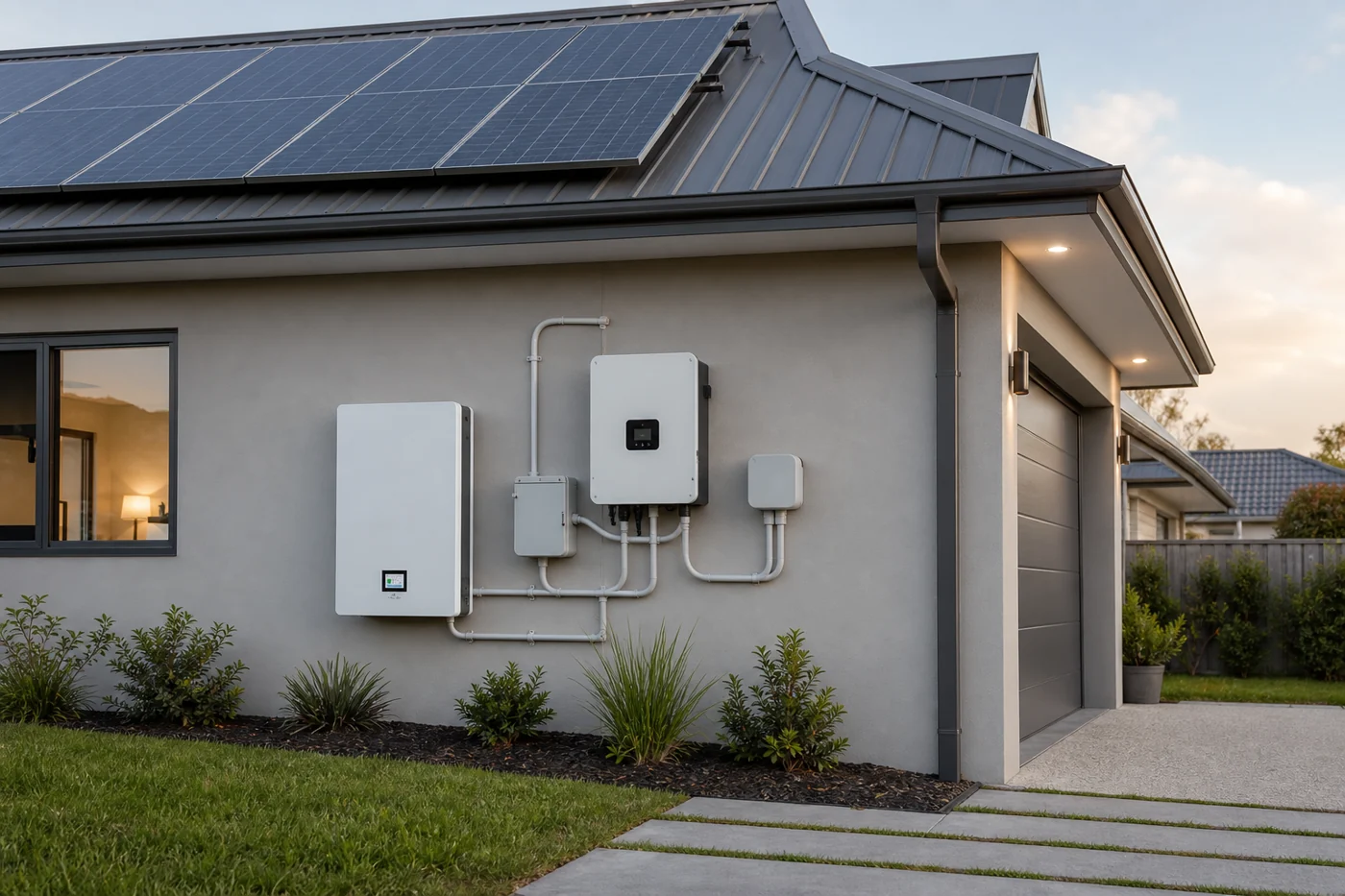
Grid-Tied Backup
Residential energy resilience during grid outages and time-of-use periods.
See UL9540 Page →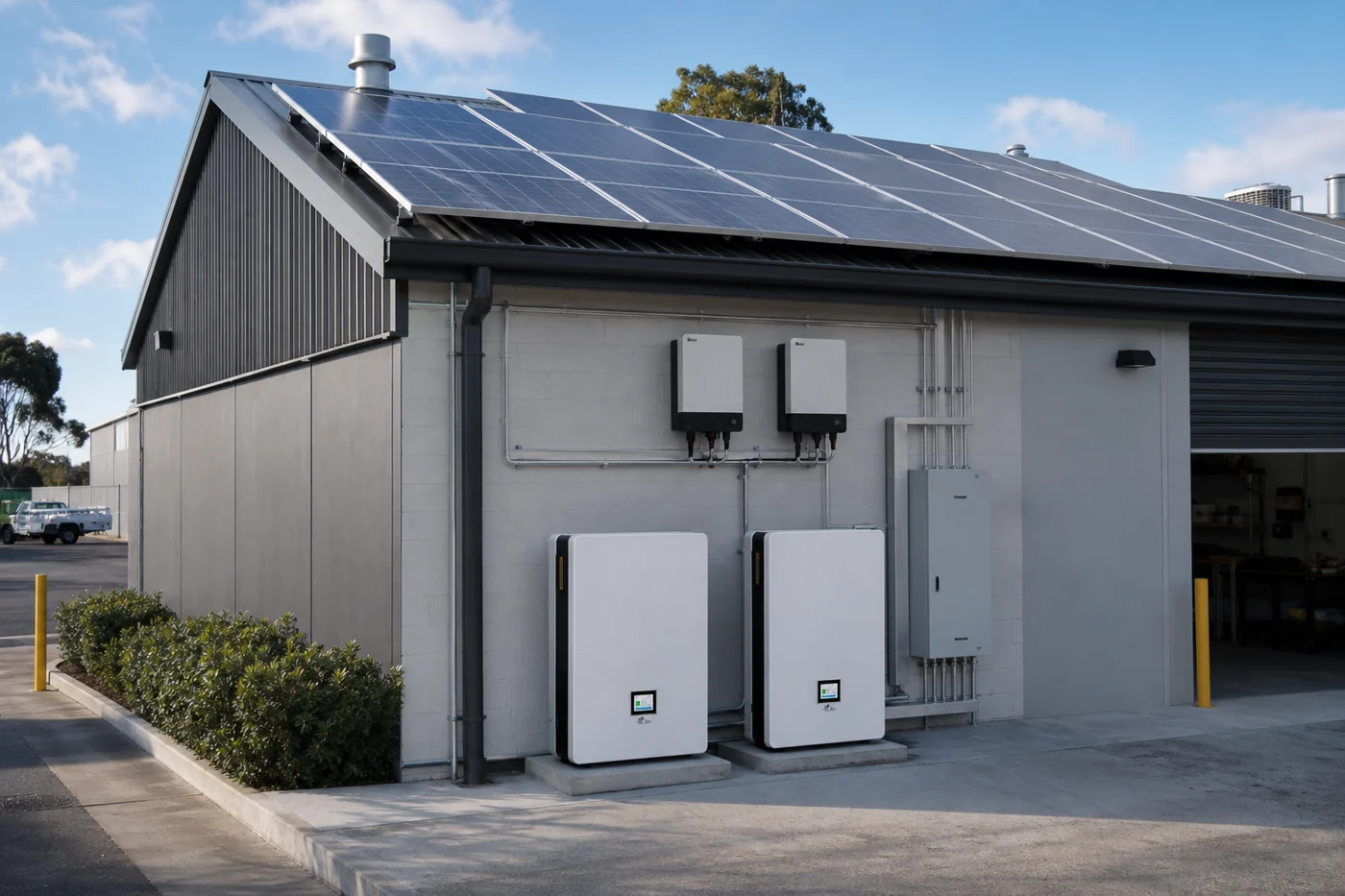
Light Commercial
Small business, telecom, and EV charger buffering projects.
Request Quote →Built for B2B Channel Partners

UL9540 Docs
Compliance package support for installers and distributors.
In-House BMS R&D
Vertical integration for firmware, safety logic, and communication.

15-Year Battery Warranty
Long-term coverage options for residential storage projects.

24-Hour Quote Response
Dedicated channel team for project sizing and pricing requests.
Wholesale & OEM 48V Battery Supply
We supply 48V LiFePO4 batteries factory-direct to installers, distributors and resellers — wholesale pricing at project volume, with OEM and ODM options for partners who need their own branding. Whether you need a single pallet to evaluate or full-container bulk quantities, the commercial terms scale with the order rather than sitting behind a marketplace listing.
- MOQ that scales: sample units to evaluate, pallet quantities for a first project, and full-container bulk for established demand.
- Lead time, stated upfront: confirmed against your exact configuration and destination market at quote, not a placeholder number.
- OEM / ODM branding: your nameplate and packaging on products built to UL 9540 and CEC-referenced configurations. Our OEM procurement guide explains what actually sets minimum quantities.
- Factory audits welcome: verify the production line before committing to a supplier relationship.
For stackable and cabinet formats at reseller volume, our stackable battery supplier guide covers the fault lines to verify before comparing prices, and installers weighing a sealed brand against factory-direct supply often start from our open-architecture comparison.
Frequently Asked Questions
What is a 48V battery used for?
A 48V battery is commonly used for solar energy storage, home backup, off-grid power systems, telecom backup, and small commercial energy storage. In solar projects, it pairs with hybrid inverters to store daytime PV energy and supply loads after sunset or during outages.
Is 48V LiFePO4 better than 12V or 24V for solar?
For larger solar systems, 48V LiFePO4 is usually more practical than 12V or 24V because it reduces current for the same power output. Lower current can simplify cabling and improve inverter pairing for 5 kW, 8 kW, 10 kW, and higher power systems.
How many 48V batteries do I need for a 10 kWh solar system?
A 10 kWh storage target typically uses one 51.2V 200Ah battery, depending on cabinet format, redundancy requirements, and inverter current limits. Larger homes may use 14.34 kWh, 16.08 kWh, or parallel configurations for 15 kWh, 20 kWh, or higher capacity.
Can I parallel multiple 48V batteries together?
Yes. Savolture 48V battery systems can be configured for parallel expansion when the battery model, BMS settings, inverter protocol, and busbar or cable sizing are matched correctly. Project review is recommended before final installation.
What’s the difference between 48V and 51.2V lithium batteries?
In the LiFePO4 market, “48V battery” is the system category, while 51.2V is the nominal voltage of a 16-cell LFP pack. A 51.2V LiFePO4 battery is commonly used with 48V solar inverters and 48V residential storage systems.
Are Savolture 48V batteries compatible with Schneider / MEGAREVO / SMA inverters?
Savolture supports CAN and RS485 communication protocols for verified GSL 51200 inverter paths, including Schneider Conext XW PRO 6848NA, MEGAREVO GSL-H 5K/8K 48V-US, SMA SI6048-US-10, Growatt SPF, Victron MultiPlus-II, LuxPower, GoodWe, and Solis series. Compatibility should be confirmed by model number, firmware version, region, and final system configuration.
What certifications do Savolture 48V batteries have?
Certification coverage depends on the battery configuration. Available documentation pathways include UL9540 system documentation, UL1973 battery documentation, IEC62619, UN38.3 transport documentation, and market-specific support such as CEC-listed platform documentation. What does UL9540 mean for your project? →
How long does a 48V LiFePO4 battery last?
Typical Savolture 48V LiFePO4 configurations are rated for 6,500-8,500 cycles at 80% depth of discharge. For daily cycling, that can support 15+ years of use when installed, commissioned, and operated within specification.
How do I choose the right 48V battery capacity for my project?
Match capacity to your daily kWh usage, days of autonomy, and the rest of your system. Skip the manual math: our Savolture sizing tool takes your monthly kWh and recommends the exact 200Ah / 280Ah / 314Ah / Rack Modular combination.
Ready to Quote Your 48V Battery System?
Send your project specs – receive a complete proposal with compatible inverter pairing within 24 hours.