

CEC-Listed 48V LFP Battery Platform for Australian Solar Channels
51.2V LFP battery options for Australian solar installers, distributors, and OEM buyers, with CEC-listed manufacturing partner configurations and documents for local project review. Working on a US project? See our UL9540 Certification Guide for US Installers →
CEC Listing Snapshot
Approved for Australian channel review under the Clean Energy Council battery listing framework.
| Model | Equipment Category | Approved Date | Expiry Date |
|---|---|---|---|
| 51.2V 14.34 kWh IP65 (Wall-Mount) | Pre-assembled Battery System | 04-12-2025 | 31-12-2027 |
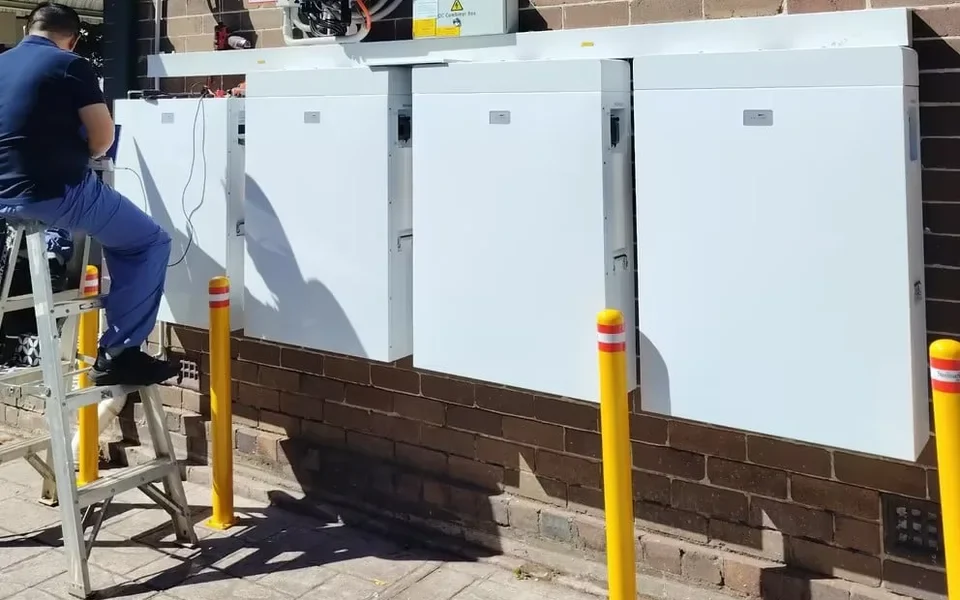
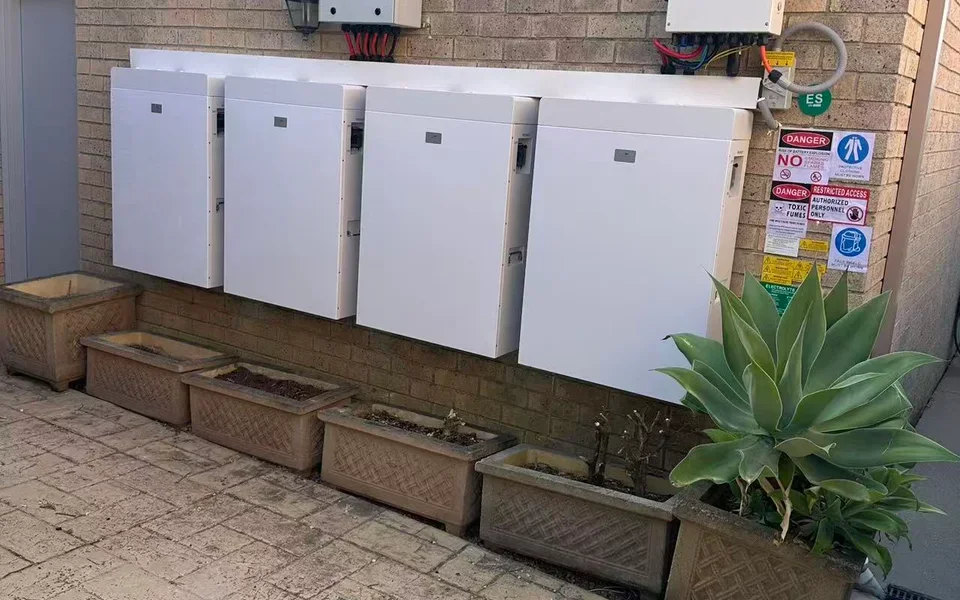
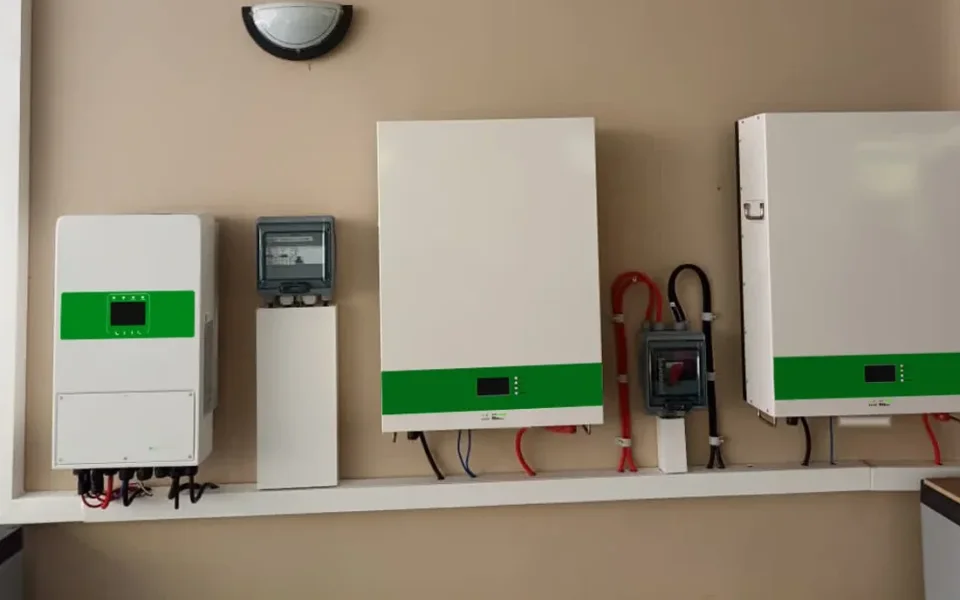
Australian field visuals
CEC Listing Meets AU Field Installations
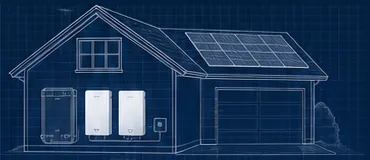
Installation views for Australian project discussions, shown as visual context alongside the CEC listing snapshot.
Platform Options for Australia
Wall-mount and outdoor-rated options to fit a range of residential solar projects. Not sure what capacity you need? See our guide on whether a 14kWh battery is big enough for an Australian home.
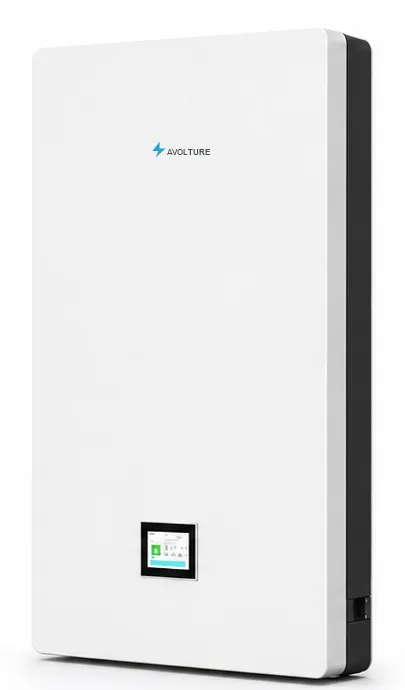
51.2V 10.24kWh
Wall-Mount
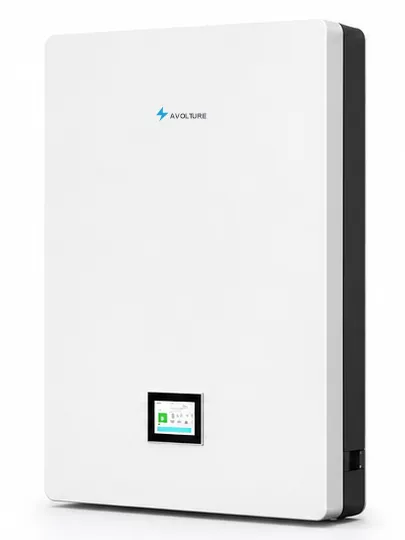
51.2V 14.34kWh
Wall-Mount
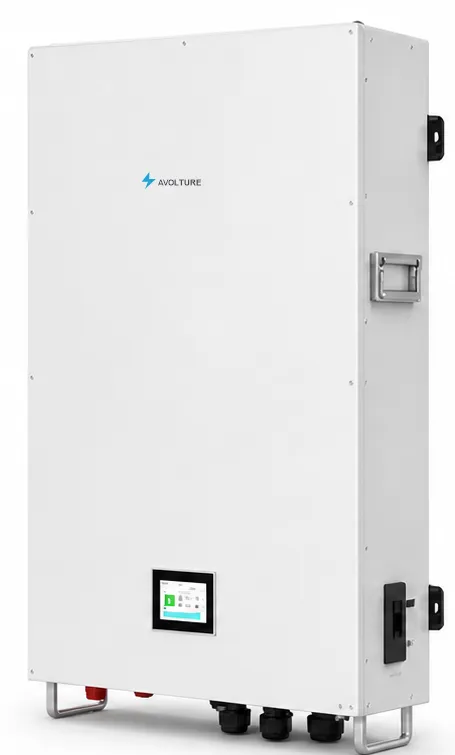
IP65 51.2V 14.34kWh
Outdoor
Why Australian Installers Use This Platform
CEC-Listed Battery Platform
Listed manufacturing partner configurations for Australian solar channel review.
48V Inverter Pairing
Designed for seamless pairing with leading 48V hybrid inverter platforms.
Indoor and IP65 Outdoor Options
Flexible installation with wall-mount indoor and IP65 outdoor models.
SDS and Channel Documents
Full SDS, datasheets, and channel documents ready for project review.
Documents Ready Before Your Installer Quotes
Files open in a new tab for distributor, EPC, and project review.
What CEC listing means for your project
For an Australian residential solar project, the Clean Energy Council battery listing is the line between a system that can earn an incentive and one that cannot. The Cheaper Home Batteries program only discounts batteries whose exact model and capacity appear on the CEC approved product list, installed by an accredited installer. That makes the listing a procurement requirement, not a marketing badge — the model number on your quote has to match the model number on the list.
Every configuration on this platform is a CEC-listed build from our LFP battery manufacturing partner, registered on the Clean Energy Council list under the manufacturer’s model number, so the unit you specify is the unit that qualifies. If you want to verify which batteries are on the list and how to read it, our spoke guide walks through the current CEC approved battery list for Australia line by line. If you are still deciding which battery to put on the quote, the best solar battery for an Australian home in 2026 guide compares CEC-listed LFP options by home size, cost, and rebate.
Listed vs approved — the terms installers ask about
“CEC listed,” “CEC approved,” and “on the CEC product list” all point to the same thing: the battery has passed the Council’s product assessment against the relevant Australian standards and appears on the published register. What matters for a rebate claim is that the specific SKU is on the register on the day of install — which is why each model on this platform carries its own approval and expiry date, shown in the listing snapshot above.
Sizing the battery to the rebate, not the other way around
Because the Cheaper Home Batteries discount scales with usable capacity, the after-rebate gap between a 10 kWh and a 14 kWh unit is usually smaller than the sticker prices suggest. Size to the home’s evening-and-overnight load — 8 to 12 kWh of usable energy for most homes at 80% everyday depth of discharge — rather than to the daily total, since rooftop solar covers most daytime use. For a worked example on whether the larger unit is justified, see is a 14 kWh battery big enough for an Australian home.
Compare the Savolture LFP Lineup
Same 48V LFP platform, four form factors — pick the cabinet that fits your install, from 10 kWh wall-mount to 16 kWh floor-standing and rack-modular for commercial banks.
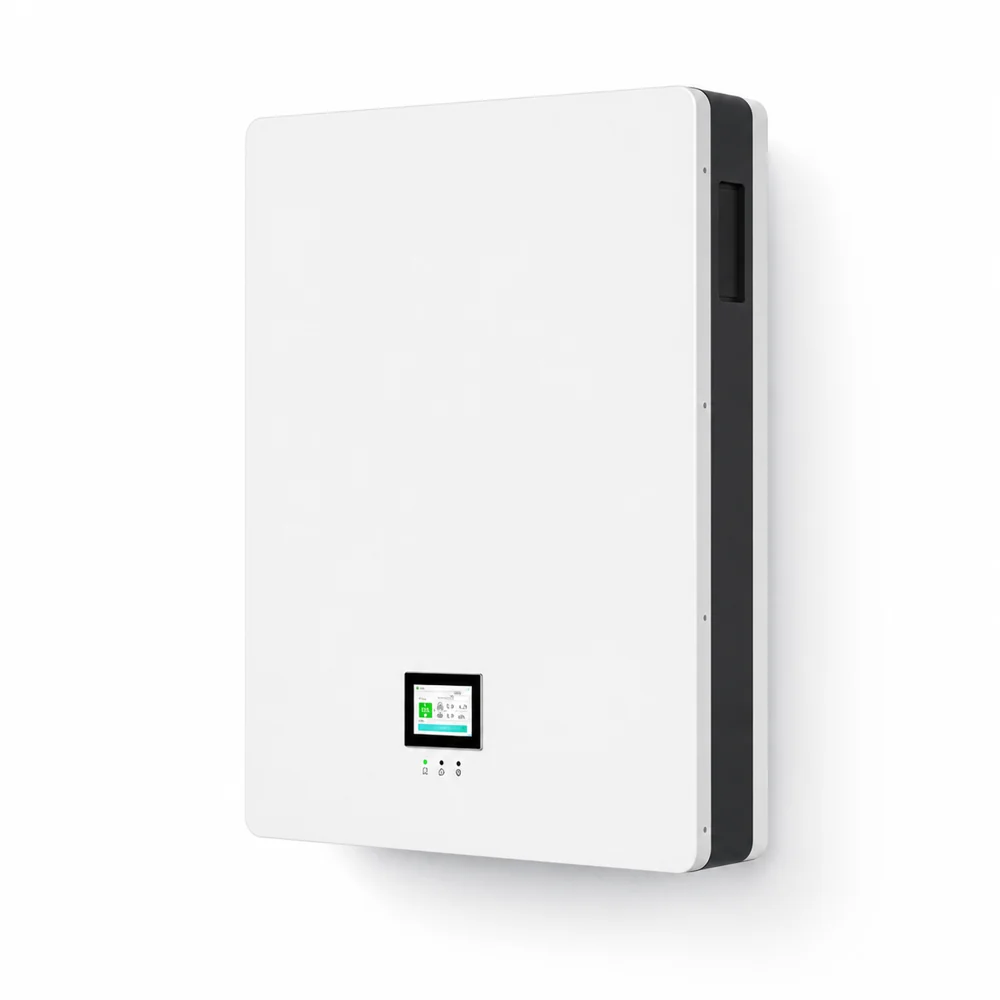
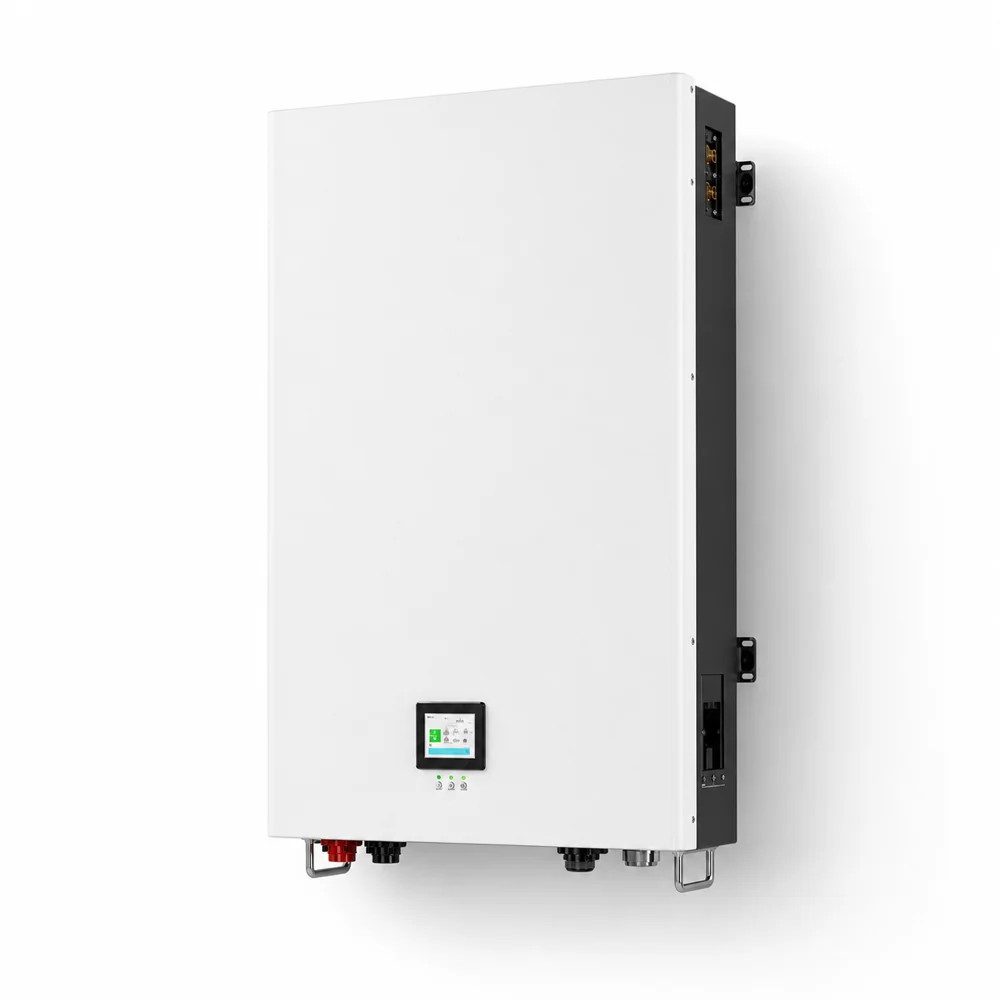
Wall-Mounted
280Ah · 14.34kWh- UL9540 listed system path
- 8,500 cycles
- 142.5 kg class
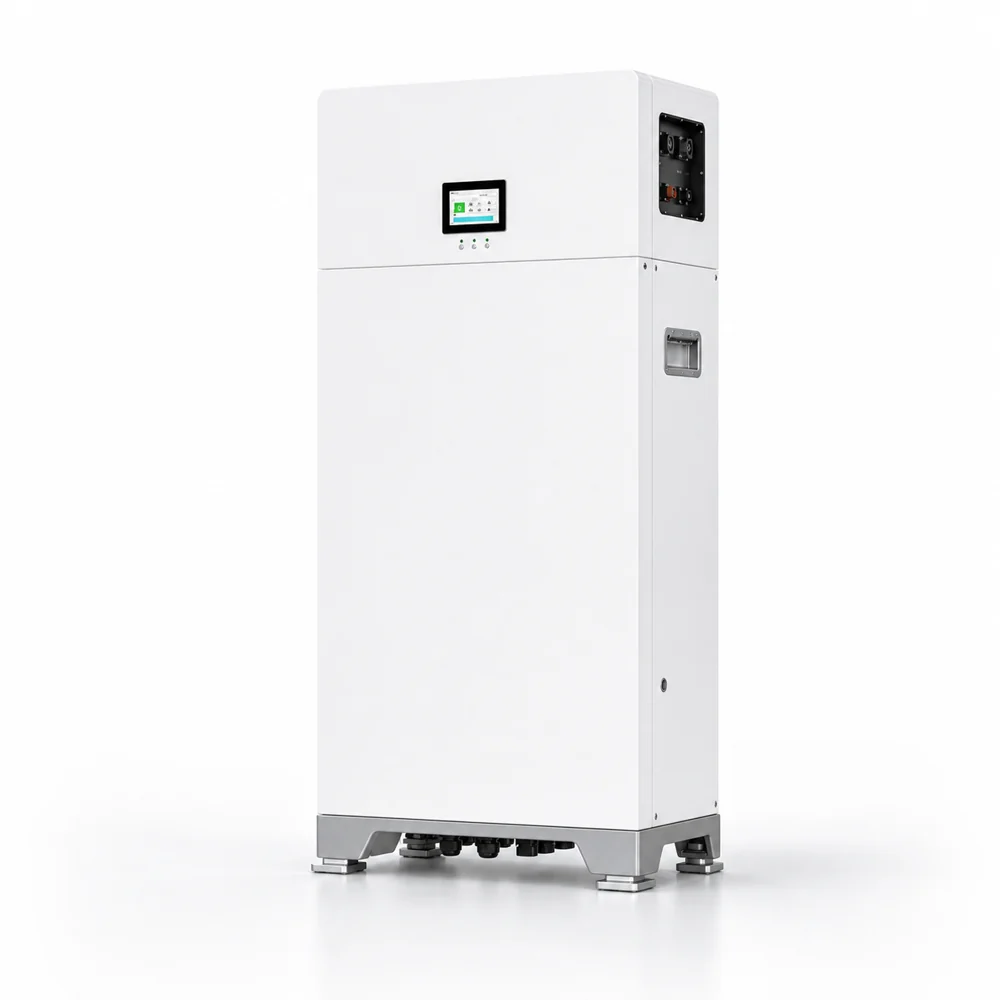
Floor-Standing
314Ah · 16.08kWh- UL9540 listed system path
- IP65 outdoor option
- 145.5 kg class
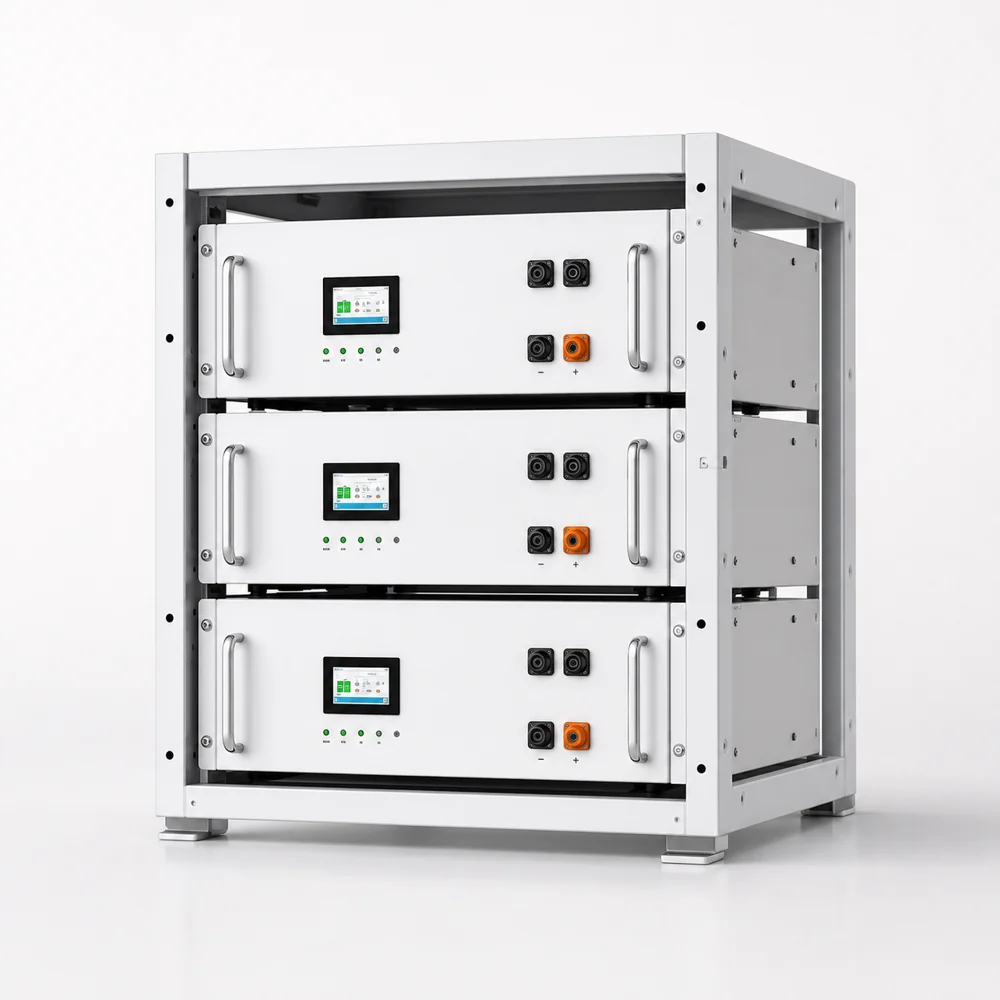
Rack Modular
10–15kWh System- 19 inch server rack compatible
- Modular battery banks
- CAN/RS485 communication
CEC platform — installer & distributor FAQ
Are the Savolture 51.2V LFP batteries CEC listed?
Yes — these are CEC-listed builds from our LFP battery manufacturing partner, registered on the Clean Energy Council list under the manufacturer’s model numbers as pre-assembled battery systems. Verify the exact model number on the register before quoting. Each model carries its own approval and expiry date — the current listing snapshot, including the IP65 outdoor model approved through end of 2027, is shown above with a link to the live CEC register.
Do these models qualify for the Cheaper Home Batteries rebate?
The rebate applies to a battery whose exact model and usable capacity are on the CEC approved product list and is installed by an accredited installer. Because these platform models are listed, a compliant install can claim the discount. Eligibility is assessed per model and the federal program steps down over time, so confirm the current rate and the specific SKU with your installer at quote stage.
Can Australian installers, distributors, and OEM buyers order this platform?
Yes. The platform is built for the Australian solar channel — installers, distributors, and OEM buyers. We supply CEC-listed configurations with channel pricing and the documents needed for project review. Send your project requirements through the Australia pricing request and we respond with options and documents within 24 hours.
What documents come with the CEC-listed battery platform?
Each configuration ships with its Safety Data Sheet (SDS), product datasheet, and the CEC listing reference, plus channel documents for distributor, EPC, and project review. The SDS and listing reference are available directly from the documents section above; datasheets and distributor quotes are released on request so the file set matches your project.
Which inverters pair with the 51.2V CEC-listed battery?
The 51.2V (48V nominal) LFP platform is designed to pair with leading 48V hybrid inverter platforms used in Australian residential solar. Closed-loop communication support depends on the specific inverter model, so we confirm a tested pairing for your inverter before you finalise the design rather than leaving it to the install day.
What is the difference between the indoor and IP65 outdoor models?
The wall-mount models are rated for protected indoor or garage installation; the IP65 model is sealed for outdoor wall mounting where wall space indoors is limited or the switchboard sits outside. All three are the same 51.2V LFP chemistry and CEC-listed platform — the choice is driven by where the battery physically goes, which our team helps confirm against the site layout.
Build an Australia-ready battery quote
Get CEC-listed platform options, documents, and pricing for your next residential solar project.